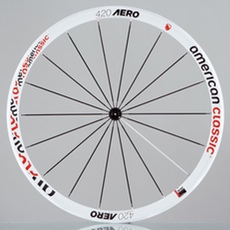
Quick definitions: Rim depth here refers to how tall the rim's aerodynamic profile is, generally correlated with more aero benefit and, at the alloy tier, slightly more weight. Spoke count affects both durability and manufacturing cost.
What actually differs
What the deep rim is actually buying at the American Classic price
The archive review frames the American Classic 420 as delivering "99% of the performance of a sport specific wheel" in one design, meaning a rider doesn't need a separate aero wheel and a separate durable training wheel. That's a real value argument at $1,000, but it depends on actually wanting a wheel deep enough to matter aerodynamically, which not every rider does.
Why Easton's higher spoke count is the more honest budget choice
At 24 front and 28 rear spokes, the EA70 trades some weight and aero performance for a wheel that's more forgiving to build, true, and keep round under a heavier rider or rough roads, which is exactly the profile of rider Easton's own review targeted: someone moving up from stock wheels who values reliability over racing performance.
Lean American Classic ifyou want one wheelset that covers racing, training, and triathlon without owning two separate wheel sets, and the higher price reflects that versatility for you.
Lean Easton ifyou're upgrading from stock wheels on a budget, you weigh more than average and want the extra spoke count's durability margin, or your riding is commuting and group rides rather than racing.
Archive-sourced vs currentThe American Classic 420 sold for about $1,000 and the Easton EA70 for $400-500, both around 2010. That roughly 2x price gap between a deep-section do-it-all alloy wheel and a shallower, higher-spoke-count entry wheel is a similar spread to what current-generation alloy options in each tier still show.