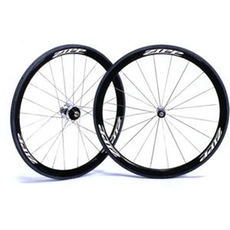
Quick definition: Rim depth is measured in millimeters from the spoke bed to the outer edge of the rim. It's not the same as rim width (how wide the tire bed is), which is a separate spec that affects tire comfort and aerodynamics on its own.
Where the aero benefit actually kicks in
A deeper rim acts more like an airfoil, guiding air along a longer, smoother path and reducing turbulent drag behind the wheel. That effect grows with speed: it's small at casual pace and becomes clearly noticeable once you're holding 20mph or more, which is why deep wheels are most popular with racers and fast group-ride regulars rather than casual riders.
The handling trade-off nobody puts on the spec sheet
A 50mm+ front wheel presents more side surface area to crosswind gusts. In genuinely gusty conditions, this shows up as the front wheel getting pushed sideways in a way a 35mm wheel doesn't. It's manageable for most riders after a few rides of getting used to it, but it's real, and it's the main reason "just buy the deepest wheel you can afford" is bad advice for anyone who rides exposed roads regularly. A common compromise many riders land on is a shallower front (35-40mm) paired with a deeper rear (50mm+), since the rear wheel is largely shielded from crosswind by the rider's body.
Go deeper (45-50mm+) ifyou ride mostly flat or rolling terrain, do fast group rides where holding speed matters, or race criteriums and road races on relatively sheltered courses.
Stay shallower (25-40mm) ifyou regularly ride exposed, windy roads or bridges, climb frequently where the small weight difference matters more than aero, or you're newer to riding and want predictable handling while you build confidence. See
wheels for climbing for how the shallow end of this range plays out on sustained climbs specifically.
Current typical pricingDepth alone doesn't move price as much as material does. Both 35mm and 50mm carbon wheelsets from the same product line are typically priced within a few hundred dollars of each other; the bigger price driver is the brand tier and hub quality, not the depth choice itself.