ComparisonNo affiliate links

DT Swiss vs Industry Nine Hub Engagement

DT Swiss and Industry Nine are both hub specialists rather than full wheel brands first, and both are best known for the engagement mechanism inside the rear hub, the part that determines how quickly your pedaling force reaches the wheel once you start pushing. They solve that problem with genuinely different mechanisms.

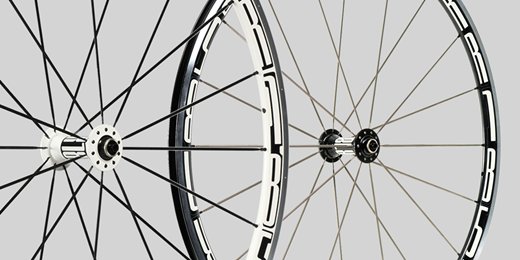
DT Swiss RR1850 road wheelset, archived manufacturer product photo

The DT Swiss RR1850, the brand's road wheelset reviewed in the archive (archived manufacturer photo). DT Swiss's star ratchet hub design is shared across its road and off-road lines.

Quick definitions: Hub engagement is how much the freehub rotates before it "catches" and transfers your pedaling force to the wheel, usually described in degrees. Fewer degrees means faster, more immediate power transfer, especially noticeable in a sprint or a technical climb.

What actually differs

FactorDT SwissIndustry Nine
MechanismStar ratchet, a toothed ring designPawl-and-spring engagement system
Reputation, per the archive review of the RR1850"Durable, lightweight, and high performance" hard-won industry reputationNot covered on a road wheel in the archive; the archive's Industry Nine review is of the Ultralite, a mountain bike wheelset
Archived example weightRR1850: 1850g, road wheelsetUltralite: 1440g, mountain bike wheelset with a claimed 3-degree engagement
Archived example price$1,000"Just over $1,000," skewers not included
ServiceabilityWidely available at shops that stock DT Swiss partsProprietary hub internals, generally serviced by the brand or specialist shops

An honest note on the archive source for this comparison

This site's 2010-2015 archive includes a DT Swiss road wheel review (the RR1850) but its only Industry Nine review is of the Ultralite, a mountain bike wheelset, not a road model. We're not pretending otherwise: the weight and spoke details above are accurately sourced but from different disciplines. What carries over cleanly between road and off-road is the engagement mechanism itself, which is the actual subject of this comparison.

Why the mechanism matters more than the marketing number

DT Swiss's star ratchet uses two interlocking toothed rings that can be stacked to fine-tune engagement angle. Industry Nine's pawl system uses six pawls engaging simultaneously, which the brand markets around very low engagement angles like the 3 degrees cited in the archived Ultralite review. Both approaches genuinely reduce the dead spot between starting to pedal and the wheel responding; which one a given rider notices more depends on riding style, criterium racers and technical climbers tend to notice fast engagement the most.

Lean DT Swiss ifyou want a hub system serviceable at a wide range of shops with a long, well-documented reliability track record on road wheels specifically.
Lean Industry Nine ifnear-instant engagement matters to your riding, such as criterium racing or technical climbing, and you're comfortable relying on the brand's own service network.
Frequently asked questions

Does hub engagement speed actually make a measurable difference?
For most steady-state road riding, the difference is small. It becomes more noticeable in situations with frequent, sharp accelerations, technical criteriums, punchy climbs, or standing sprints, where a lower engagement angle means less lag between applying power and the wheel responding.
Is a star ratchet hub harder to service than a pawl hub?
Not inherently. Both are designed for periodic cleaning and re-greasing, and DT Swiss's star ratchet system is specifically built to be tool-free or near-tool-free to service, which is part of its reputation for field reliability.