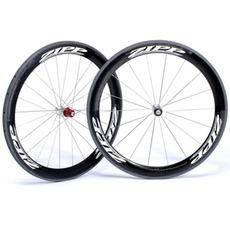
Quick definitions: Both brands make deep-section carbon rims, typically 45-90mm depending on model. The difference is mostly in rim shape philosophy and brake track engineering, not the base material.
What actually differs
What the archive actually shows
The 2010 Reynolds Assault review put the wheel's weight at 1550g against a Zipp 404 clincher at 1658g, while pricing the Zipp about a third higher. That comparison was explicit in the source material, not an inference, and it's the same trade-off pattern that has held for most of both brands' history: Reynolds competes on value within the carbon tier, Zipp competes on refinement and aero data at a premium.
Why the rim shape matters more than the badge
A toroidal rim is rounder in cross-section than a traditional V-shape rim, which Zipp has argued reduces the sudden pressure shift a wheel feels when a gust hits it side-on. Reynolds' pitch has historically been narrower: get the braking heat problem solved first, since a carbon rim that overheats on a long descent is a safety issue no aero shape fixes. Both problems are real; which one a rider should weight more depends on where they ride, flat and windy versus long mountain descents.
Lean Zipp ifyou ride in consistently windy or exposed conditions where crosswind stability at speed matters more than shaving the last bit off your budget, or you want the deepest bench of aftermarket support and resale value.
Lean Reynolds ifyou're moving into carbon for the first time and want a genuine carbon ride quality without paying the full premium tier price, or you ride rim brakes and want a rim engineered specifically around heat resistance.
Archive-sourced vs currentThe Reynolds Assault sold for about $1,500 in 2010, explicitly marketed as a budget carbon wheel at the time. Comparable current-generation carbon wheelsets from both brands typically start higher, reflecting disc-brake hardware, wider rims, and general price inflation across the carbon category since then.